CaseStudy
Monster Worldwide
Multi-brand Design System
Situation:
The organization faced significant workflow inefficiencies that impacted both design and development teams:
- Designers struggled to identify and access the most current design files, leading to version confusion and inconsistent implementation.
- Developers repeatedly built duplicate components on their local machines without awareness of existing solutions, creating unnecessary redundancy.
- Product teams sought an automated solution that could seamlessly integrate styling from newly created components into the broader design system.
Task:
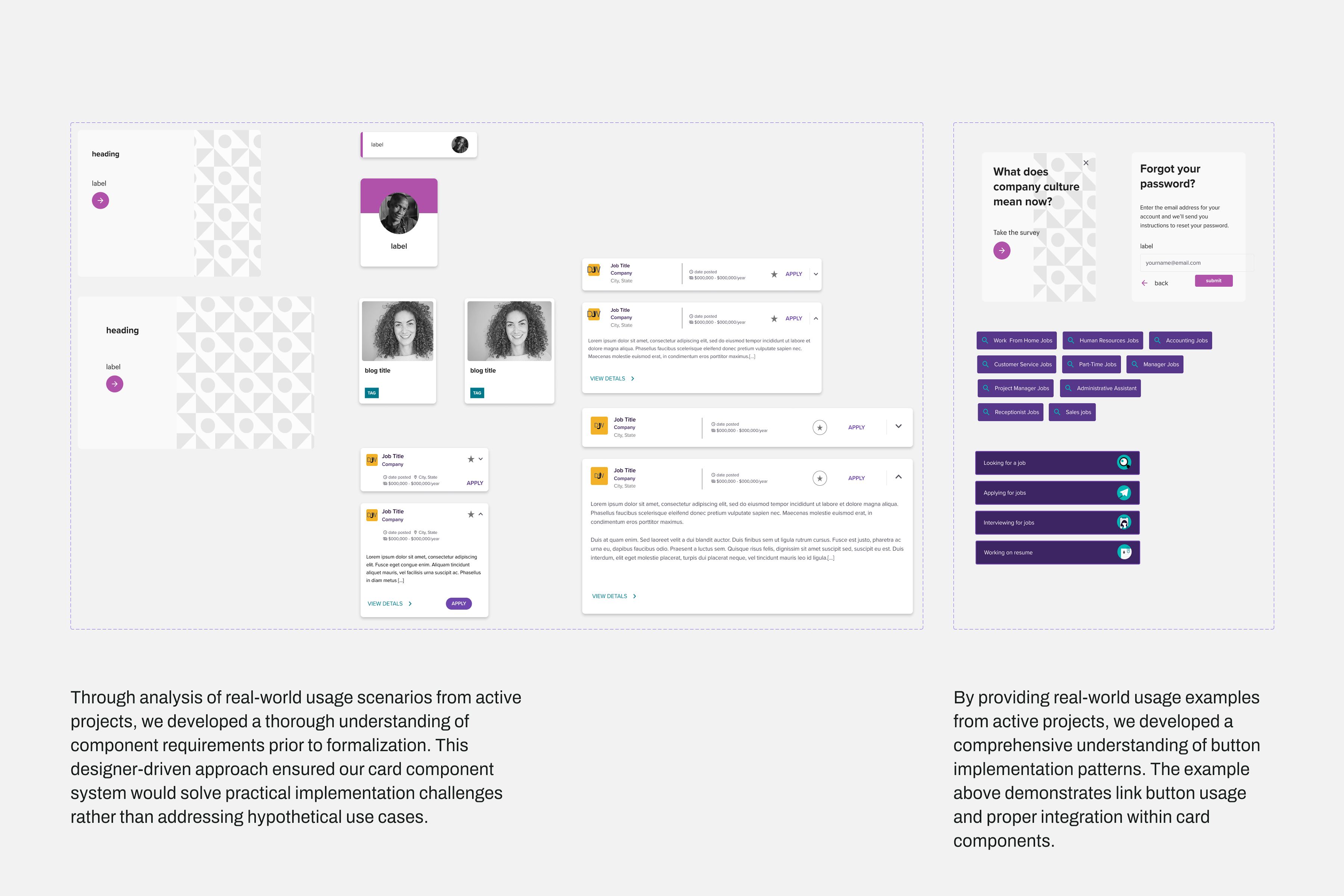
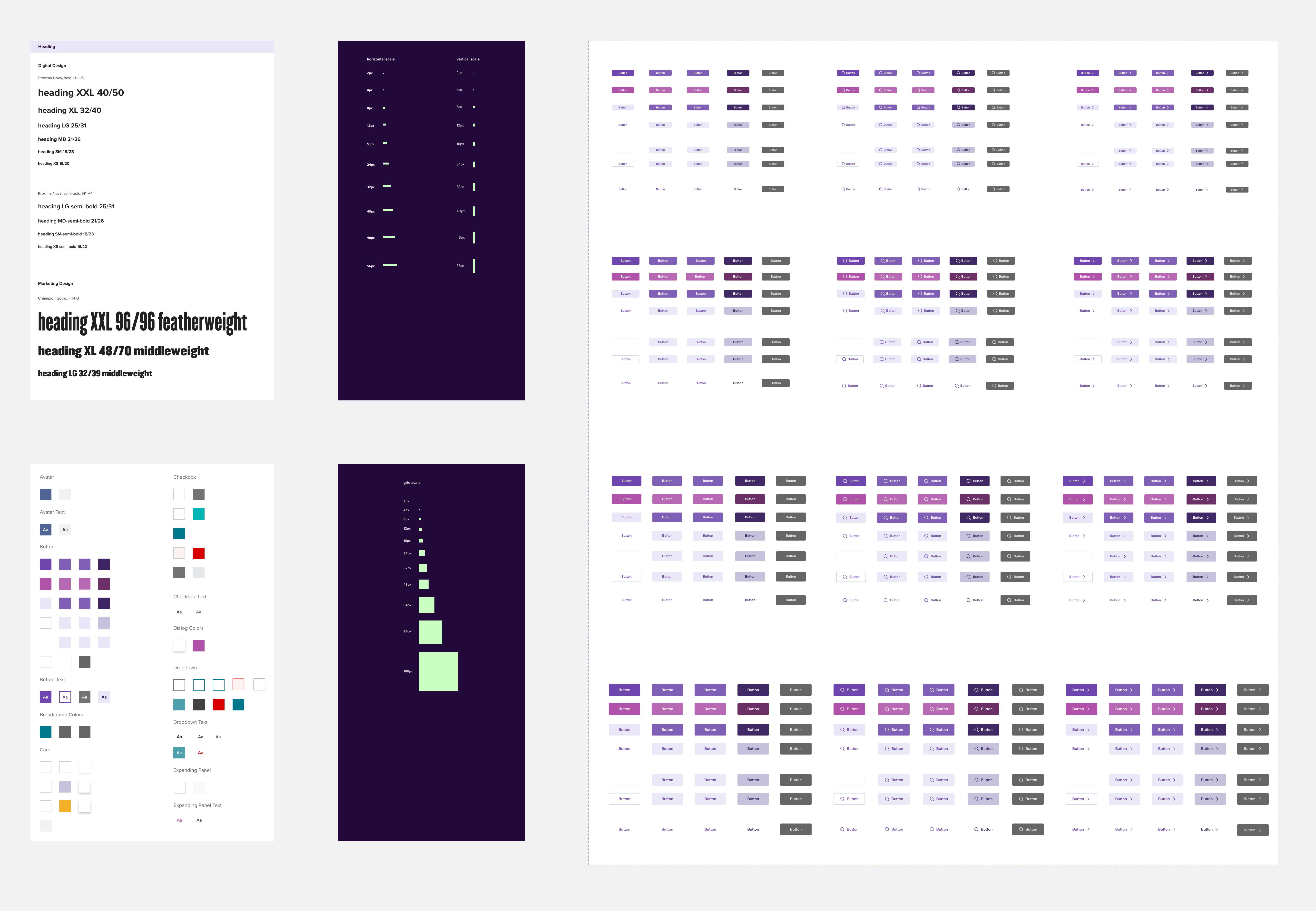
Our team implemented a comprehensive multi-brand design system that bridged the gap between design and development teams. This centralized platform provided a single source of truth for all brand assets and components, eliminating confusion about file versions. For designers, it offered a library of standardized, reusable elements with clear usage guidelines across all Monster brands. Developers gained access to pre-built, tested components that reduced redundant work and ensured consistent implementation. This solution streamlined workflows, accelerated product development, and established consistent user experiences across all Monster Worldwide properties.
Action:
Audit and Discovery:
- I conducted a comprehensive analysis comparing Sketch and Figma design platforms, then I delivered evidence-based recommendations that resulted in the organization-wide adoption of Figma.
- Our team conducted a comprehensive component audit in collaboration with both design and development teams.
- Through collaborative design pairing sessions with developers, I acquired essential knowledge of React's architecture and capabilities. This hands-on engagement with the development team provided valuable technical context that directly informed my component design approach.
Design and Development:
- The successful transition to Figma resolved the version control issues designers faced and significantly improved collaboration between design and development teams, leading to more efficient workflows and consistent component implementation across the organization.
- By bringing designers and developers together in this assessment, we created alignment on technical constraints, design needs, and business priorities. This collaborative approach resulted in a strategic roadmap for component development with consensus-based prioritization that balanced immediate needs against long-term system architecture goals.
- By understanding React's component life-cycle, state management patterns, and compositional model, I created design solutions that aligned with development best practices. This technical foundation enabled me to architect versatile components with built-in flexibility for future requirements and use cases.
Result:
Monster Worldwide implemented a comprehensive multi-brand design system that bridged the gap between design and development teams. This centralized platform provided a single source of truth for all brand assets and components, eliminating confusion about file versions. For designers, it offered a library of standardized, reusable elements with clear usage guidelines across all Monster brands. Developers gained access to pre-built, tested components that reduced redundant work and ensured consistent implementation.